- Inside Mongolia
- Posts
- UB City 🆚 UBCab: A Clash Over an EV Taxi Project
UB City 🆚 UBCab: A Clash Over an EV Taxi Project
Mongolia’s Skies Set to Soar: Aviation Growth & New Routes in 2026

Khulan MendsaiKhan
January 05, 2026 • Estimated Reading Time: 3 minutes
POWERED BY

Welcome to 2026! 🎉 Did you know? Around 95% of people set New Year’s goals, but only about 10% feel they achieve them fully by year‑end. As we enter 2026, we’re committed to helping you stay informed, inspired, and ahead of the curve with trusted news and insights. 🫡
What’s inside today’s edition…
💰 Government Grants for Citizens
🚕 UB City vs. UBCab: EV Taxi Clash
✈️ Mongolia’s Aviation Outlook 2026
No Time to Waste. Let’s Get Started! 🦘

MARKET
BOM: Bank of Mongolia purchases 16.3 tons of gold in 2025.
GOV: The government approved a 300-day action plan to accelerate economic recovery and announced a grant of ₮1 million to each of 1.8 million citizens, including children under 18, the elderly, and persons with disabilities.
UB: One of Ulaanbaatar’s largest construction projects for the 2026 warm season, the Tuul Expressway, is set to begin construction on March 15.

UB City 🆚 UBCab: A Clash Over an EV Taxi Project
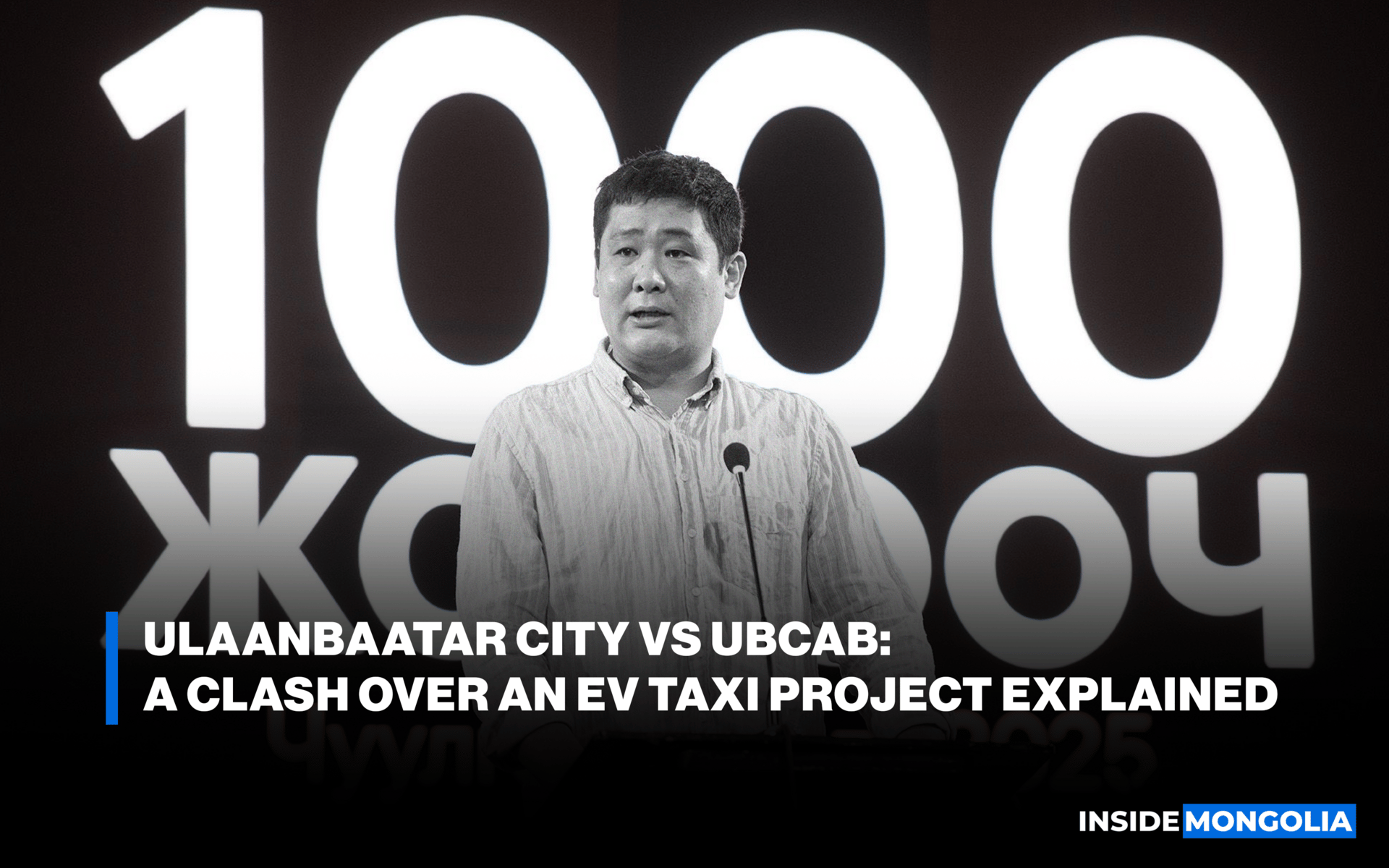
On December 26, the Ulaanbaatar City Council approved a plan to introduce 2,000 electric (PHEV) taxis through a public-private partnership, sparking strong backlash from existing market players. The decision has since escalated into a public dispute between the city government and UBCab, one of Mongolia’s largest ride-hailing platforms.
🚗 Project Goals and Budget: The initiative aims to tackle traffic congestion, illegal taxis, and growing tourism demand by deploying 2,000 EVs over five years, integrated into a centralized, tech-driven system. With a total budget of ₮77 billion, city officials say the project will enhance service quality, improve safety, and reduce pollution.
⚠️ The Pushback
Immediately after approval, UBCab’s CEO criticized the project on social media, warning it could distort market competition. Tensions intensified when the Governor of Ulaanbaatar accused UBCab of monopolistic behavior, suggesting the company was behind the public outcry.
🤔 Taxi Market Context
Mongolia’s ride-hailing market has been competitive since 2013, with multiple platforms including ABA, Tapa, EZCab, EasyRide, Maxim, Zip Taxi, iTaxi, and Mongol Taxi. New entrants such as Tino are also expected soon. Observers argue that the real issue is uneven regulation and the creation of a state-supported competitor with access to zero-interest financing, permits, and institutional backing, advantages that private operators cannot match.
🚕 UBCab’s Business Explained
UBCab operates in 16 provinces, serving 100,000 drivers and 1.6 million users. Its app (v4.0) offers taxi services, food delivery, and plans for additional on-demand offerings, centralizing services much like Uber. The company also partnered with BYD to deploy EV taxis in Ulaanbaatar city.
In short… The city frames the EV taxi project as a move to standardize the industry and ease traffic congestion. UBCab, meanwhile, views it as only the first step toward a larger state-backed “super app” called Hotula, raising concerns about competition and the future of private operators. What’s your opinion on this case?
⭐ Selected for you
ECONOMY & BUSINESS
POLITICS
Mongolia Extends Visa Exemption for 34 Countries Until 2026. (MFA)
Russia Proposes Nuclear Power Plant & Uranium Mining Projects For Mongolia. (Russia’sPivottoAsia)
From Policy to Practice: Mongolia’s Efforts to Build Inclusive Education for All Children. (Deviscource)
What Will Drive Mongolian Politics and Economy in 2026? (TheDiplomat)
CULTURE & LIFESTYLE
✈️ Mongolia’s Skies Set to Soar: Aviation Growth & New Routes in 2026

Following a strong recovery in tourism, Mongolia’s aviation sector is set for a year of expansion, modernization, and increased connectivity in 2026. Airlines are preparing to launch new domestic and international routes while boosting flight frequencies to meet rising passenger demand.
✈ Regional Expansion
National carriers are focusing on strengthening connections within Asia. Hunnu Air has expanded its charter flight services to Ulaanbaatar from Phu Quoc and Nha Trang in Vietnam, and plans to continue these routes in 2026 to meet growing winter travel demand. The airline will also resume regular flights to Hohhot, China, supporting cross-border trade and regional tourism.
🫡 MIAT Mongolian Airlines plans to increase flights to key Chinese cities such as Beijing and Shanghai and extend regional access to Hanoi, reflecting growing business and cultural travel flows.
🌏 New International Routes
One of the highlights of 2026 will be Canada’s Air Transat launching direct flights between Toronto and Ulaanbaatar starting in June, operating twice weekly. The route aims to provide easier access for the Mongolian diaspora in Canada, attract Canadian tourists and business visitors, and strengthen bilateral ties. Direct flights will reduce travel time significantly compared to existing routes through Europe or the Middle East, making Mongolia more accessible to international travelers.
🏗 Infrastructure and Modernization: Chinggis Khaan International Airport is undergoing key upgrades, including terminal expansion, enhanced passenger flow management, and improved service facilities. These measures will accommodate growing international traffic and support the launch of new long-haul routes to Europe and North America.
Overall… Ulaanbaatar remains Mongolia’s primary international gateway, and the combination of new routes, increased flight frequency, and modernized airport infrastructure positions the country for long-term aviation growth. These developments will not only facilitate inbound tourism but also strengthen Mongolia’s global business connections and regional trade.
As Mongolia continues to recover from the pandemic and expand its aviation network, 2026 is shaping up to be a pivotal year for the country’s air transport sector.

Partnership Inquiries:
Place an ad
Publisher: Ts.Ankhbayar
Writer: M.Khulan
Graphics by: Ts.Tselmeg
Disclaimer: The information Inside Mongolia provides is for educational and informational purposes only. It is not intended to be or constitute financial advice, trading advice, or any other advice. The decision whether to consider the information we provide is solely our readers' independent decision.